What Red Light Therapy Actually Is — and What Separates the Good Panels From the Rest
Red (660nm) and near-infrared (850nm) light therapy works by delivering photons at specific wavelengths that penetrate tissue and interact with mitochondrial receptors. The mechanism is well-documented. What varies significantly across panels is irradiance (power output at the skin surface), wavelength accuracy, EMF emissions, and pulsing capability.
Light Path LED consistently ranks among the highest in irradiance in the consumer market, with third-party testing to back it up. They are used in clinical and professional settings, not just wellness consumers.
What Matters in a Panel
Irradiance — the actual power reaching your skin — is the number that matters, not total wattage. A panel can have many bulbs and low output. Third-party irradiance testing is the only way to verify this independently.
What Light Path LED Does Differently
Advanced pulsing technology delivers light at therapeutic depths using timed on-off cycles that enhance cellular response. Combined with one of the highest verified irradiance outputs available at this price point, the value proposition is strong.
What to Expect
Daily sessions of 10–20 minutes. Most people notice faster muscle recovery first. Skin quality improvements typically follow. Benefits are cumulative — consistency over months matters more than session length.
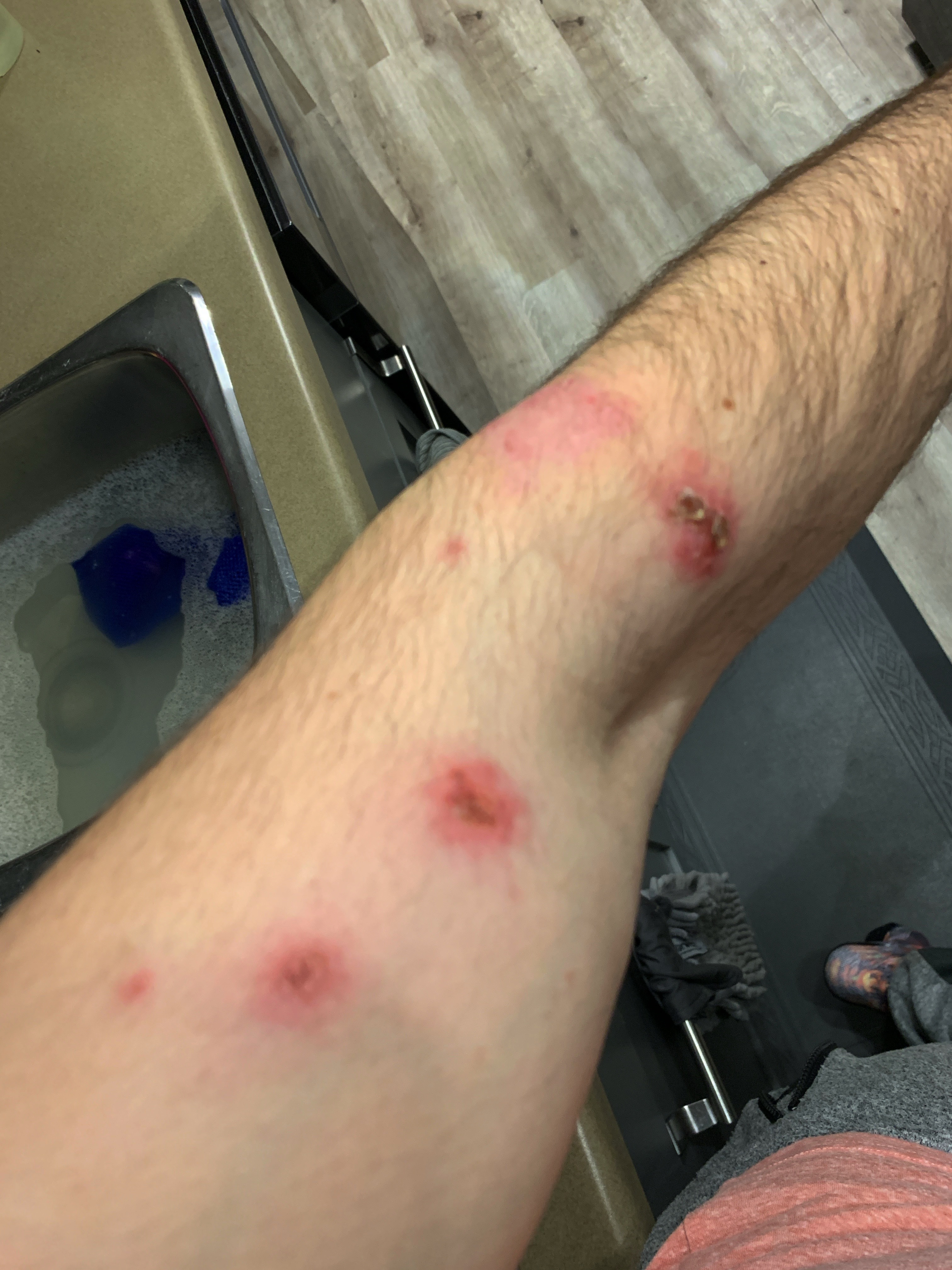
My arm. February 2019.
A severe skin infection. No scars left behind. This is what changed my mind.
In February 2019, I developed a severe skin infection on my left arm — a direct consequence of leaky gut and poor digestion at the time. The toxins trying to escape left me with open wounds and scars forming across the skin. That is the photo above.
I started using red light therapy daily, first thing every morning. Over time, the wounds fully healed — without scarring. I also noticed significantly faster muscle recovery from training, and the consistent morning light exposure became especially important during the long, dark winters of northern Alberta.
Red light therapy has been part of my morning routine ever since. This is not a trend I picked up online — it is something I tested on my own body when I needed it most, and the results were impossible to ignore.
Joovv vs Light Path LED — What I Actually Think
I invested in a Joovv Quad system in 2019 and I still use it every day. Joovv makes excellent panels — well-designed, well-built, and the best-looking on the market. I have no complaints about performance. They earned their reputation.
After more research and conversations with Freddie Kimmel, who works closely with Light Path LED, I've reached a different conclusion for future purchases.
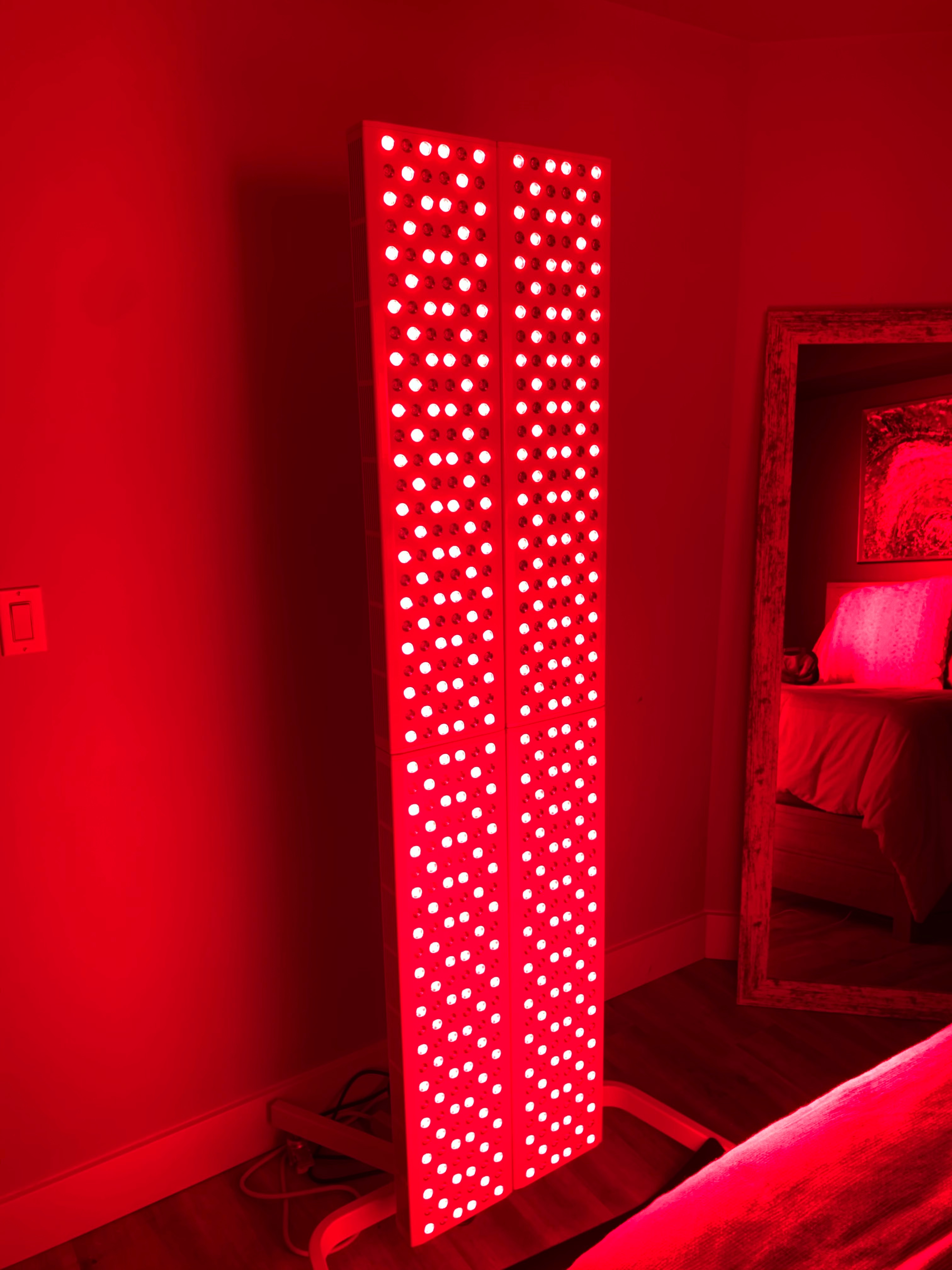
My actual Joovv Quad panel — purchased 2019, still running every morning.
| Feature | Joovv Quad | Light Path LED Diesel XL |
|---|---|---|
| Irradiance (power output) | Strong | Higher verified output Edge |
| Pulsing technology | Basic | Advanced pulsing Edge |
| Bulb count / coverage | Good | More bulbs, wider coverage Edge |
| Warranty | Standard | Longer warranty Edge |
| Price point | Premium | Lower price for more panel Edge |
| Design / aesthetics | Best-looking on the market Edge | Functional |
| EMF emissions | Low | Low EMF certified Edge |
Both panels deliver therapeutic-grade red and near-infrared light. The comparison above reflects where each product differentiates. Either is a legitimate choice — this table reflects where my money goes for the next purchase.
The Diesel XL Is the One I'd Buy Today
For anyone getting into red light therapy now — or anyone looking to upgrade or expand their panel setup — the Light Path LED Diesel XL is what I'd buy. More coverage, stronger pulsing, better warranty, lower price. For full-body treatment and deep tissue recovery, that combination is hard to beat at this tier.
I'm not replacing my Joovv. It still works. But the Diesel XL is what I'd buy if I were starting from scratch or adding a second panel.
Affiliate link — I may earn a commission at no additional cost to you. Affiliate relationships never determine what I recommend.